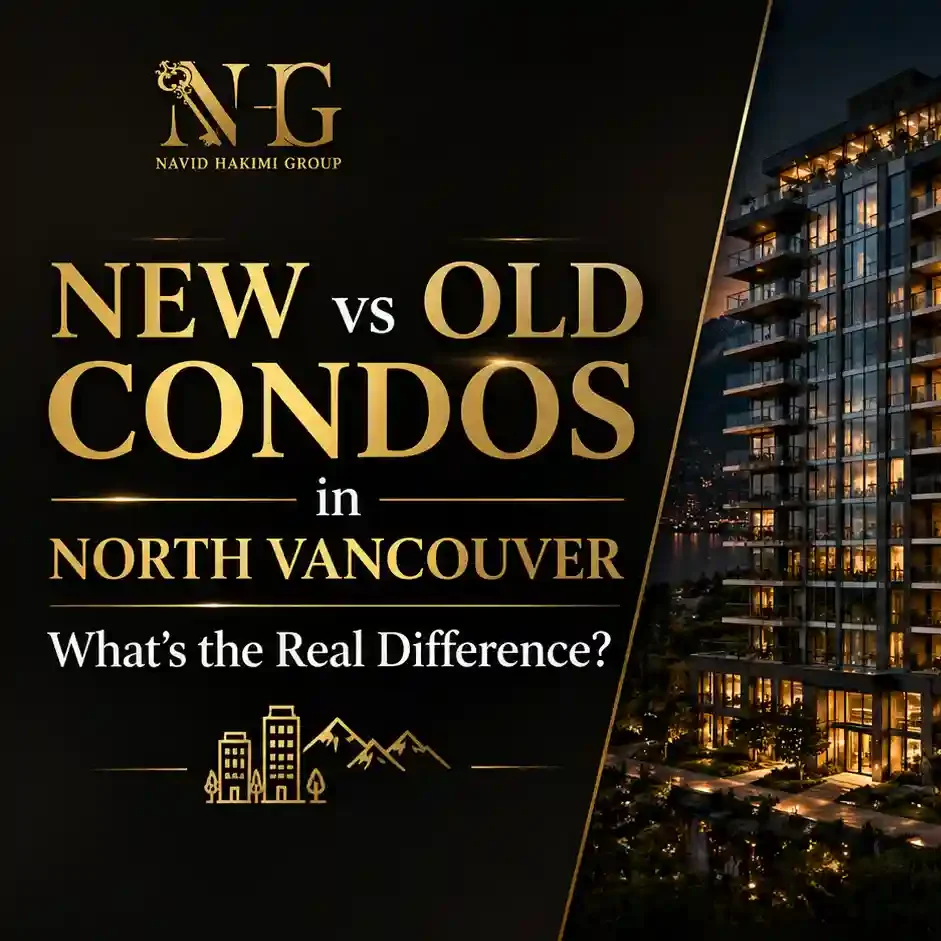
If you’re comparing new vs old condos in North Vancouver, the real difference isn’t just age it’s about how the property performs over time. Understanding presale vs resale in North Vancouver can also help you evaluate how timing and purchase strategy affect your decision. New developments give you a smoother, more predictable experience in the early years, while older condo buildings often give you more space and better value, but require closer inspection and planning.
New condos are designed for modern living. They usually have efficient layouts, updated finishes, and fewer immediate maintenance concerns. On the other hand, older condos were often built with larger floor plans and can feel more spacious, especially in established neighborhoods. However, they come with a different type of responsibility understanding the building’s condition, financial health, and future repair needs.
| Feature | New Developments in North Vancouver | Older Condo Buildings in North Vancouver |
| Price per Sq.Ft | Higher | Lower |
| Layout | Modern, efficient | Larger, older layouts |
| Condition | Brand new | Varies (may need updates) |
| Maintenance | Low (early years) | Higher over time |
| Strata Fees | Often higher (amenities) | Lower initially, may increase |
| Risk Type | Construction / developer | Repairs / aging systems |
| Best For | Comfort, low hassle | Value, space, investment |
Cities where you can receive our professional real estate buying and selling services
- real estate agent in north vancouver
- real estate agent in west vancouver
- real estate agent in burnaby
- real estate agent in coquitlam
- real estate agent in port moody
Price Comparison: New Developments vs Older Condos
| Factor | New Condos | Older Condos |
| Price per Sq.Ft | Higher | Lower |
| Total Purchase Price | Higher for smaller units | Lower for larger units |
| Unit Size | Smaller, efficient layouts | Larger, traditional layouts |
| Value for Money | Pay for condition & amenities | Pay for space & location |
| Negotiation Room | Limited (especially pre-sale) | More flexibility in resale |
| Entry Barrier | Higher | Lower |
One of the biggest differences between new developments in North Vancouver and older buildings is the price structure. New condos almost always come at a higher price per square foot. Buyers are paying a premium for brand-new construction, modern finishes, and the appeal of being the first occupant.
Older condo buildings, in contrast, often provide more square footage for the same budget. This makes them especially attractive for buyers who prioritize space or want to enter a better location without paying new-build prices. The trade-off is that you may need to update the unit or prepare for future building repairs.
From a practical perspective, new condos are about paying more upfront for convenience, while older condos are about paying less upfront but potentially investing more over time.
Monthly Costs: Strata Fees, Maintenance, and Repairs
| Cost Category | New Condos | Older Condos |
| Strata Fees | Higher (amenities, services) | Lower initially |
| Fee Stability | More predictable early on | Likely to increase over time |
| Maintenance Costs | Minimal in early years | Higher as building ages |
| Special Assessments | Rare (short-term) | More common risk |
| Repair Responsibility | Mostly covered by strata | More frequent large repairs |
| Long-Term Cost Pattern | Stable → gradually rising | Lower → potentially unpredictable |
Monthly costs can look very different depending on whether you choose a new or older condo, and this is where many buyers underestimate the long-term impact of their decision.
New buildings often come with higher strata fees, especially if they include amenities like gyms, lounges, or concierge services. These fees cover maintenance and services, but they also increase your monthly expenses from day one. The advantage is that major repairs are unlikely in the early years, so your costs tend to be more predictable.
Older buildings may start with lower strata fees, which can make them look more affordable at first. However, as the building ages, maintenance costs increase, and there’s a higher chance of special assessments for major repairs such as roofing, plumbing, or elevators. This means your total cost of ownership may fluctuate more over time.
The key takeaway is that lower monthly fees don’t always mean lower overall cost especially in older condo buildings. Understanding your monthly cost owning a home helps you evaluate the full financial impact over time.
The primary services our team offers to support your real estate goals
- luxury home for sale
- industrial real estate services
- presale real estate in north vancouver
- first time homebuyer services
Risks to Know Before Buying New vs Old Condos
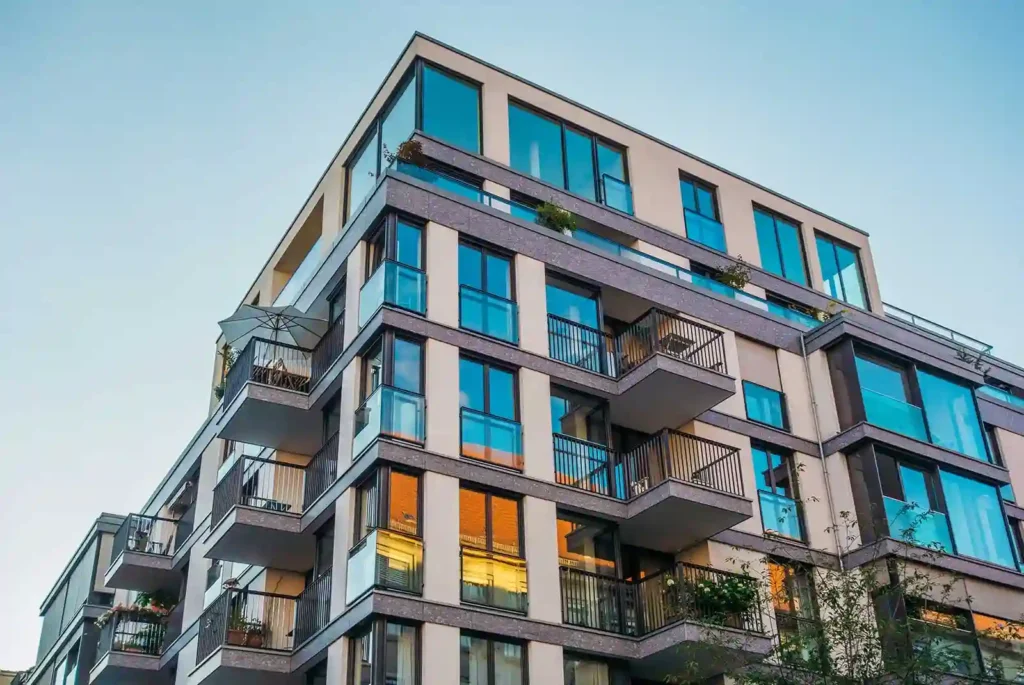
Before choosing between new vs old condos, it’s important to understand that each option comes with a different type of risk. The goal isn’t to avoid risk completely but to know exactly what you’re taking on.
Risks in New Developments
- Developer delays that push your move-in date later than expected
- Changes in final delivery (layout, finishes, or minor specs may differ from plans)
- Construction quality issues that may only appear after living in the unit
- Limited history, so you can’t evaluate long-term building performance
- Market shifts during pre-sale period affecting value before completion
Risks in Older Condo Buildings
- Special assessments for major repairs like roof, plumbing, or elevators
- Aging infrastructure that may require costly upgrades
- Increasing strata fees over time as maintenance needs grow
- Poor strata management leading to financial or maintenance issues
- Outdated layouts or systems that may require renovation
Key Insight
- New condos → lower short-term risk, higher uncertainty in delivery and quality
- Older condos → higher maintenance risk, but more transparency if properly reviewed

Which Option Is Better for Living vs Investment?
The right choice between new and older condos often depends on your goal. If you’re buying a place to live, comfort and predictability usually matter more. If you’re investing, the focus shifts toward value and potential return.
For living, new condos tend to be more appealing because they offer a modern environment, fewer immediate repair concerns, and a more straightforward ownership experience. Everything feels new, and there’s less uncertainty in the short term.
For investment, older condos can offer stronger opportunities if chosen carefully. Their lower purchase price can improve rental returns, and if the building is in a good location, there may be room for appreciation over time. In some cases, renovating an older unit can significantly increase its value.
Ultimately, living decisions are driven by lifestyle, while investment decisions are driven by numbers.
How to Choose Between New and Older Condo Buildings
Choosing between new developments in North Vancouver and older condo buildings comes down to aligning the property with your priorities. Understanding different property types in North Vancouver helps you decide what fits your goals best. There’s no universal answer, because the “better” option depends entirely on what you’re trying to achieve.
If you want a low-maintenance, predictable experience with modern design, a new condo is usually the safer choice. It simplifies the ownership process and reduces short-term uncertainty. However, if your focus is on maximizing value, getting more space, or entering the market at a lower price point, older condos can offer better opportunities provided you do proper due diligence.
The smartest buyers don’t make this decision based on age alone. They look at the specific building, its financial health, location, and long-term potential. A well-managed older building can outperform a poorly built new one, and a carefully selected new development can provide a stress-free ownership experience.
Our local Realtors have extensive knowledge of these North Vancouver communities and can help you compare neighbourhoods, understand the market, and find the right home with confidence.
Explore North Vancouver Neighbourhoods With a Local Realtor
Pick the North Vancouver neighbourhood you are considering to see homes for sale, price trends, and what buyers should watch for.
West Vancouver Neighbourhoods We Serve
Browse the West Vancouver neighbourhoods where we help buyers and sellers, with current market insight for each area.
- Ambleside Homes for Sale
- Dundarave Real Estate Agent
- Realtor in Caulfeild
- Homes for Sale in Whitby Estates
- Real Estate Agent in Gleneagles, West Vancouver
- West Bay Realtor
- Altamont Homes for Sale
- Eagle Harbour Real Estate Agent
- Realtor in Chartwell
- Homes for Sale in Cypress Park Estates
- Real Estate Agent in Horseshoe Bay, West Vancouver
- Real Estate Agent in British Properties, West Vancouver
FAQ
Is it safer to buy a new condo than an older one?
New condos generally have fewer immediate issues, but they can still have construction-related problems. Older condos require more inspection but can be just as reliable if well maintained.
What is the biggest risk in older condo buildings?
Unexpected repair costs and special assessments are the biggest concerns, especially if the building has not been properly maintained.
Do new condos appreciate faster than older ones?
Not necessarily. Appreciation depends more on location and market demand than the age of the building.
How important is the strata when buying a condo?
It’s critical. Good strata management can significantly reduce risk, especially in older buildings.
Are older condos always cheaper?
Generally yes, but the total cost depends on future maintenance and potential upgrades.
Can I renovate an older condo easily?
Yes, but you must follow strata rules. Renovations are one of the main ways to increase value in older units.
Should I buy new or old as a first-time buyer?
It depends on your priorities. If you want simplicity, go new. If you want better value and are willing to manage some risk, older condos can be a smart entry point.