
North Vancouver is one of the most desirable places to live in British Columbia, offering access to nature, excellent schools, strong communities, and convenient connections to Downtown Vancouver. However, these benefits also come with a relatively high cost of living compared to many other Canadian cities.
| Expense Category | Estimated Monthly Cost |
| Housing (Rent or Mortgage) | $2,500 to $7,000+ |
| Utilities | $100 to $250 |
| Groceries | $500 to $1,500 |
| Transportation | $120 to $800 |
| Internet and Mobile | $100 to $200 |
| Childcare (if applicable) | $300 to $1,500+ |
| Entertainment and Dining | $200 to $800 |
The biggest factor affecting the cost of living in North Vancouver is housing. Your lifestyle, family size, transportation needs, and housing choice will have the largest impact on your monthly budget. Below is a closer look at what residents can expect to spend in 2026.
Cities where our team offers expert real estate services for buying and selling property
- north van realtor
- west van realtor
- real estate agents burnaby
- real estate agent coquitlam
- port moody realtor
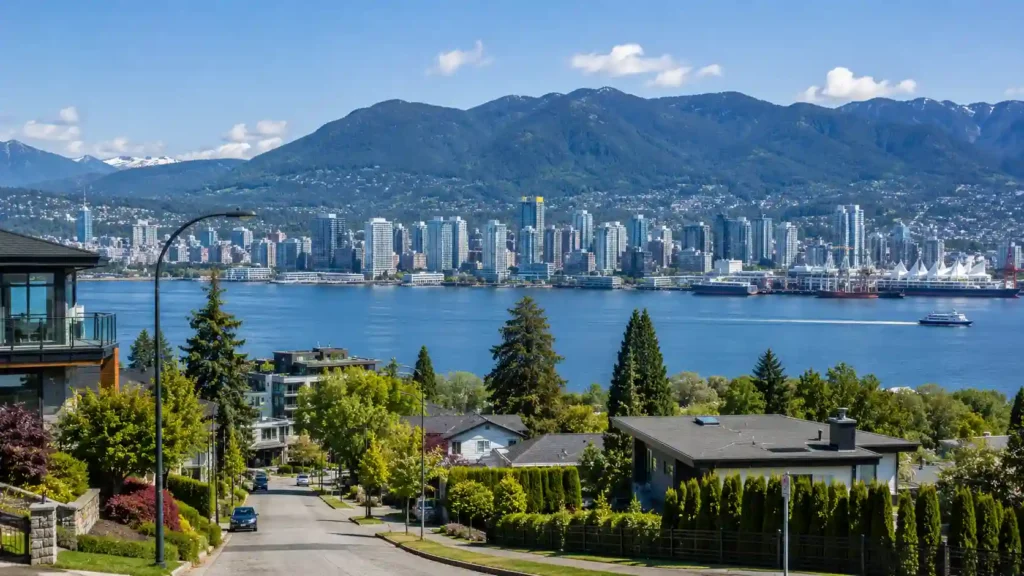
Cost of Living in North Vancouver in 2026 (Monthly Breakdown)
Housing Costs
Housing remains the largest expense for most residents. Whether you’re renting or buying, housing costs can vary significantly depending on the neighbourhood, property type, and size of the home. It also helps to compare the monthly cost of owning a condo versus a house before settling on a property type.
| Housing Type | Estimated Monthly Cost |
| One-Bedroom Rental | $2,500 to $3,200 |
| Two-Bedroom Rental | $3,200 to $4,500 |
| Condo Ownership | $3,500 to $6,000+ |
| Townhome Ownership | $5,000 to $8,000+ |
| Detached Home Ownership | $7,000 to $15,000+ |
Utilities and Household Expenses
Most residents should budget for electricity, heating, water-related expenses, internet, and mobile services. While utility costs are generally moderate compared to colder regions of Canada, they still contribute meaningfully to monthly living expenses.
A typical household may spend between $200 and $450 per month on combined utilities, internet, and mobile services.
Grocery Costs
Food costs have increased steadily in recent years throughout Metro Vancouver. Household spending depends heavily on family size, shopping habits, and dining preferences.
| Household Type | Estimated Monthly Grocery Budget |
| Single Person | $500 to $800 |
| Couple | $800 to $1,200 |
| Family With Children | $1,200 to $1,800+ |
Transportation Costs
Transportation expenses vary depending on whether residents use public transit, own a vehicle, or commute regularly to Downtown Vancouver.
Monthly transportation costs may include:
- Fuel
- Vehicle insurance
- Maintenance
- Parking
- Public transit passes
Many North Vancouver residents spend between $120 and $800 per month on transportation depending on their lifestyle.
Childcare and Family Expenses
For families with young children, childcare can be one of the most significant monthly expenses. Costs vary based on age, childcare provider, schedule requirements, and government subsidy eligibility.
Families should carefully account for childcare costs when evaluating overall affordability.

Sample Monthly Budgets for Singles, Couples, and Families
The following examples illustrate approximate monthly budgets for different household types.
Single Professional
| Expense | Estimated Monthly Cost |
| Housing | $2,800 |
| Utilities and Internet | $200 |
| Groceries | $700 |
| Transportation | $200 |
| Entertainment | $400 |
| Total | Approximately $4,300 |
Couple
| Expense | Estimated Monthly Cost |
| Housing | $3,800 |
| Utilities and Internet | $250 |
| Groceries | $1,000 |
| Transportation | $400 |
| Entertainment | $600 |
| Total | Approximately $6,050 |
Family With Two Children
| Expense | Estimated Monthly Cost |
| Housing | $5,500 |
| Utilities and Internet | $350 |
| Groceries | $1,500 |
| Transportation | $700 |
| Childcare and Activities | $1,000 |
| Miscellaneous | $700 |
| Total | Approximately $9,750 |
Actual living costs may be higher or lower depending on lifestyle choices and housing decisions. Buyers should also plan for the hidden costs that come with purchasing, well beyond the monthly budget alone.
The primary services our team offers to support your real estate goals
- luxury home for sale
- industrial real estate services
- presale real estate in north vancouver
- first time homebuyer services
What Salary Do You Need to Live Comfortably in North Vancouver?
The income required to live comfortably depends largely on housing costs and household size.
As a general guideline:
| Household Type | Suggested Annual Household Income |
| Single Person | $90,000 to $130,000 |
| Couple | $140,000 to $220,000 |
| Family With Children | $180,000 to $350,000+ |
Individuals with lower incomes can certainly live in North Vancouver, particularly if they rent smaller properties, share housing costs, or prioritize budget-conscious spending. However, many buyers and homeowners will require higher incomes to comfortably manage mortgage payments and other living expenses.
When evaluating affordability, it’s important to look beyond just housing costs and consider your complete financial picture. Comparing a fixed or variable mortgage can also help you weigh income, debts, and monthly payments together rather than in isolation.
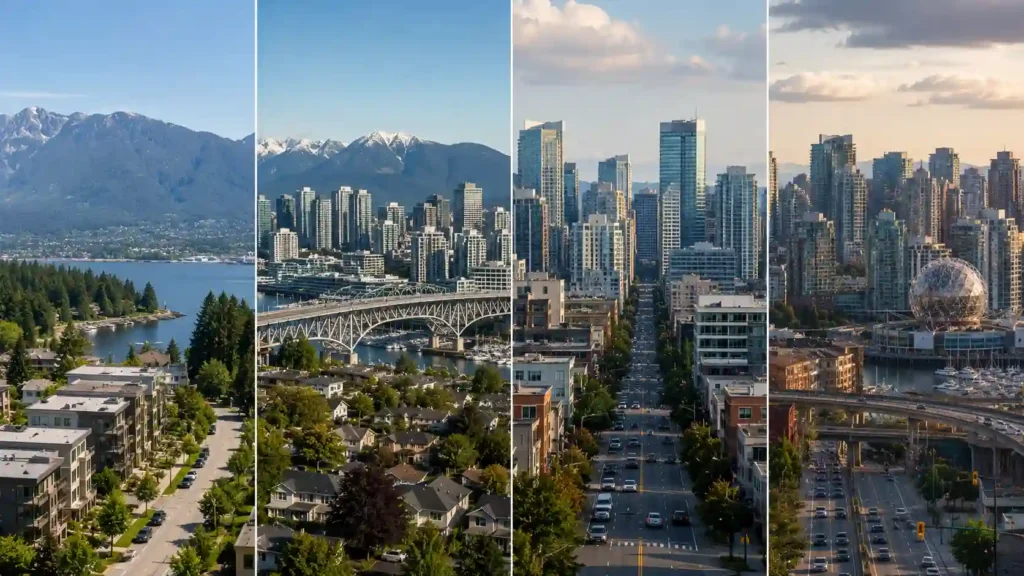
North Vancouver vs Other Metro Vancouver Cities for Cost of Living
Many people moving to the region compare North Vancouver with other nearby cities before deciding where to live.
| City | Relative Cost of Living |
| West Vancouver | Higher |
| Vancouver | Similar to Higher |
| North Vancouver | High |
| Burnaby | Moderate to High |
| Coquitlam | Moderate |
| Port Coquitlam | Moderate |
| Langley | Lower |
| Surrey | Lower to Moderate |
North Vancouver typically offers a balance between lifestyle and accessibility. While it is not the least expensive area in Metro Vancouver, many residents feel the combination of outdoor recreation, schools, safety, and community amenities justifies the higher cost. Buyers working with a tighter budget often start by exploring the cheapest places to buy in the area.
Get Local Advice Before Moving to North Vancouver
Understanding North Vancouver living costs is an important part of deciding whether the area fits your financial goals and lifestyle. Housing costs, commuting expenses, childcare needs, and daily spending habits can vary significantly from one household to another.
If you’re considering relocating, purchasing a home, or comparing neighbourhoods, working with a local expert can help you understand which areas align best with both your budget and long-term plans.
Navid Hakimi helps buyers and families evaluate neighbourhoods, compare housing options, understand local market conditions, and make informed decisions about living in North Vancouver. A personalized consultation can help you better understand affordability and identify communities that fit your lifestyle.
Looking for an experienced real estate agent? We offer professional buying and selling support throughout these North Vancouver neighbourhoods with local expertise and personalized service.
West Vancouver Neighbourhoods We Serve
Browse the West Vancouver neighbourhoods where we help buyers and sellers, with current market insight for each area.
- Realtor in Ambleside
- Homes for Sale in Dundarave
- Real Estate Agent in Caulfeild, West Vancouver
- Whitby Estates Realtor
- Gleneagles Homes for Sale
- West Bay Real Estate Agent
- Realtor in Altamont
- Homes for Sale in Eagle Harbour
- Real Estate Agent in Chartwell, West Vancouver
- Cypress Park Estates Realtor
- Horseshoe Bay Homes for Sale
- British Properties Realtor
FAQ
Is North Vancouver more expensive than Vancouver?
In many cases, overall living costs are similar, although specific housing prices and rental rates can vary by neighbourhood and property type.
What is the biggest living expense in North Vancouver?
Housing is typically the largest monthly expense for both renters and homeowners.
Can a single person live comfortably in North Vancouver?
Yes, although comfort levels depend on income, housing choices, and lifestyle preferences. Housing affordability is usually the biggest factor.
Is North Vancouver more affordable than West Vancouver?
Generally yes. West Vancouver typically has higher home prices and higher overall housing costs.
How much should a family budget each month in North Vancouver?
Many families spend between $8,000 and $12,000 per month depending on housing, childcare, transportation, and lifestyle choices.
Are groceries more expensive in North Vancouver?
Grocery costs are generally similar to many other Metro Vancouver communities, though spending varies significantly between households.
Is public transit a good way to reduce living costs?
Yes. Many residents use public transit, cycling, or a combination of transportation options to reduce monthly vehicle expenses.
Should I buy or rent when moving to North Vancouver?
The right choice depends on your financial situation, long-term plans, and familiarity with the local market. Many newcomers choose to rent first before purchasing a home.