Selling your home and worried the taxman is going to take a big bite? Good news for most people: if it’s the home you actually live in, you probably owe nothing. But there are important exceptions investment properties, second homes, and rentals play by different rules. Here’s the straight answer for BC in 2026.
If you’re selling your principal residence (the home you live in), you generally pay $0 capital gains tax in BC thanks to the Principal Residence Exemption. You only pay capital gains when you sell a property that wasn’t your main home like a rental, an investment condo, or a second/vacation home. When you do owe it, only 50% of the gain is taxable (added to your income). Don’t confuse this with the separate BC Home Flipping Tax, which is its own thing.
Cities where you can work directly with us to receive trusted real estate buying and selling services
- top realtor north vancouver
- top realtor in west vancouver
- top burnaby realtor
- top realtor in coquitlam
- top port moody realtor
Do You Pay Capital Gains Tax When Selling Your Home in BC? (Short Answer)
For the vast majority of homeowners selling the place they live in: no capital gains tax. The federal Principal Residence Exemption shelters the entire gain. You pay tax only if the property was an investment or second home, or if part of it was used to earn income.
The Principal Residence Exemption Explained
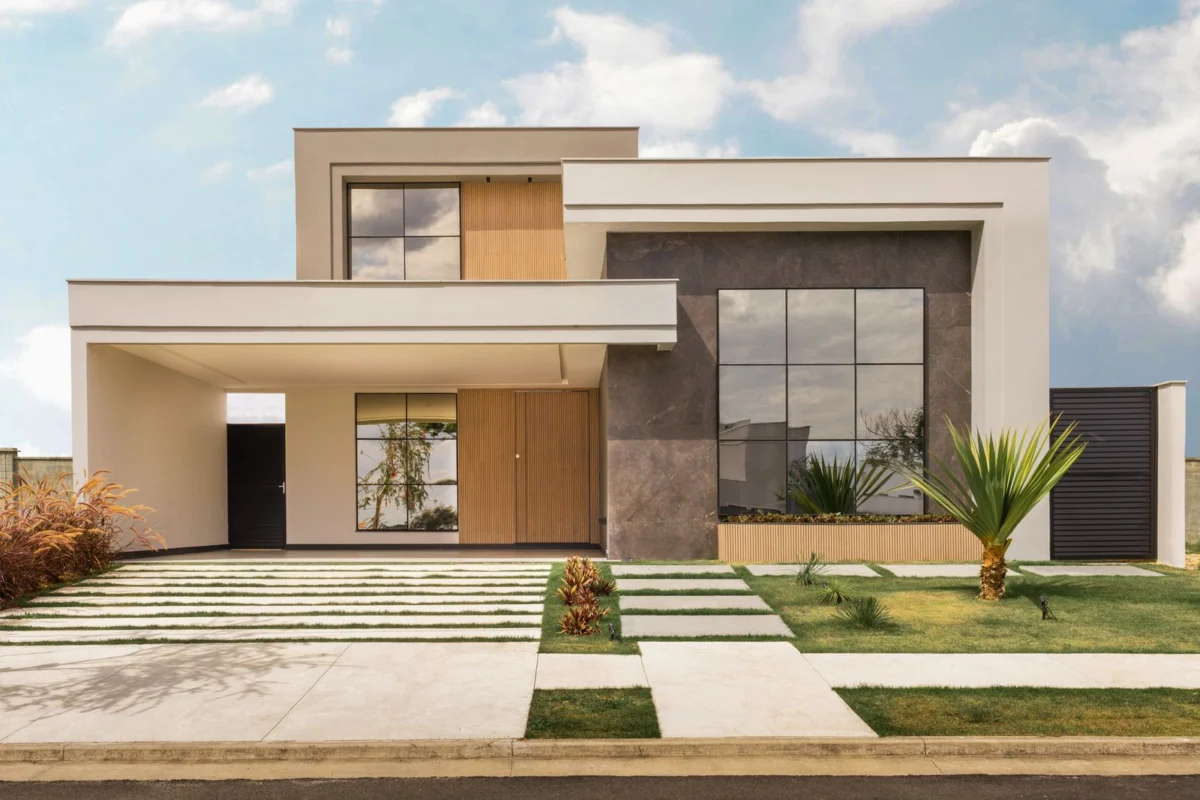
The Principal Residence Exemption (PRE) lets you sell your main home tax-free on the capital gain. To qualify, the property must have been your principal residence for every year you owned it (you can only designate one home as your principal residence per year, per family).
A few things to know:
- You must report the sale on your tax return even if it’s fully exempt the CRA requires it, and missing this can cost you the exemption or trigger penalties.
- Land counts too, generally up to half a hectare (more if you can show it was needed to use/enjoy the home).
- If you rented out part of the home or used a portion exclusively for business, part of the gain may be taxable.
When You DO Pay Capital Gains (Investment / Second Homes)
You’ll owe capital gains tax when the property wasn’t your principal residence, including:
- Rental/investment properties — condos, houses, or suites you rented out; weigh the returns first with our take on North Vancouver real estate investment.
- Second homes / vacation properties — cabins, recreational properties.
- A home you flipped or held short-term (may also trigger the flipping tax — see below).
- Change of use — e.g., you converted your home into a rental, or a rental back into your home.
How Capital Gains Tax Is Calculated (Inclusion Rate + Example)
The math is simpler than people think. In Canada, the capital gains inclusion rate is 50% meaning half of your gain gets added to your taxable income and taxed at your marginal rate. (Start by pinning down what your home is worth to estimate the gain.)
Formula: (Sale price − original cost − eligible expenses) × 50% = taxable amount added to income
Worked example on a rental condo:
| Item | Amount |
| Sale price | $800,000 |
| Original purchase price | − $500,000 |
| Eligible costs (commission, legal, improvements) | − $40,000 |
| Total capital gain | $260,000 |
| Taxable portion (50%) | $130,000 |
| Tax owed (at, say, a ~40% marginal rate) | ≈ $52,000 |
Your actual tax depends on your total income and marginal rate that year the $130,000 is simply added to your income.
Note: The proposed federal increase to a two-thirds (66.7%) inclusion rate on larger gains was cancelled the inclusion rate remains 50%. Always confirm current rules with a tax professional, as tax law changes.
The primary services our team offers to support your real estate goals
- luxury mansions for sale
- commercial real estate agent in North Vancouver
- presale condos in North Vancouver
- First Time Home Buyer In North Vancouver
BC Home Flipping Tax vs Capital Gains | Don’t Confuse Them
These are two separate taxes and you could owe both:
| Capital Gains Tax | BC Home Flipping Tax | |
| Who charges it | Federal (CRA) | Province of BC |
| Applies to | Profit on non-principal-residence sales | Homes sold within 2 years of buying |
| Principal residence | Usually exempt | Exemptions may apply, but not automatic |
| How it’s taxed | 50% of gain added to income | Separate tax rate on the profit, decreasing over 2 years |
If you buy and sell within a short window, check both. (We cover the BC home flipping tax in detail in its own guide.)
Ways to Reduce or Defer Capital Gains
Legitimate strategies to lower the hit include:
- Claim the Principal Residence Exemption correctly for the years the home was your main residence.
- Track every eligible cost realtor commission, legal fees, and capital improvements (renovations, not routine repairs) all reduce the gain, and they overlap with the usual costs of selling a home in BC.
- Time the sale spreading a sale across a lower-income year can reduce your marginal rate.
- Offset with capital losses from investments in the same year.
- Consider professional advice on structures like an RRSP contribution to lower taxable income the year of a big gain.
Looking for a Real Estate Agent in North Vancouver? Explore by Neighbourhood
Every neighbourhood in North Vancouver has its own pricing, inventory, and buyer competition. Choose your area below for local guidance from Navid Hakimi.
- Realtor in Edgemont Village
- Canyon Heights Homes for Sale
- Real Estate Agent in Forest Hills, North Vancouver
- Central Lonsdale Real Estate Agent
- Homes for Sale in Pemberton Heights
- Homes for Sale in Upper Lonsdale
- Braemar Real Estate Agent
- Realtor in Tempe
- Queensbury Realtor
Find Homes for Sale in West Vancouver by Neighbourhood
Local knowledge matters most at the neighbourhood level. Start with the West Vancouver area that fits your budget and lifestyle.
- Realtor in Ambleside
- Homes for Sale in Dundarave
- Real Estate Agent in Caulfeild, West Vancouver
- Whitby Estates Realtor
- Gleneagles Homes for Sale
- West Bay Real Estate Agent
- Realtor in Altamont
- Homes for Sale in Eagle Harbour
- Real Estate Agent in Chartwell, West Vancouver
- Cypress Park Estates Realtor
- Horseshoe Bay Homes for Sale
- British Properties Realtor
FAQ
Do I pay tax when I sell my house in BC?
If it’s your principal residence, generally no, the gain is exempt. You still have to report the sale on your tax return, though.
Do I pay capital gains on a rental property in BC?
Yes. Rentals don’t qualify for the principal residence exemption, so 50% of your gain is taxable and added to your income.
What is the capital gains inclusion rate in Canada right now?
50%. The proposed increase to two-thirds was cancelled, so half of your capital gain is taxable.
How do I calculate capital gains on my home?
Sale price minus your original cost minus eligible expenses (commission, legal, improvements) equals your gain. Half of that is added to your taxable income.
Do I have to report the sale of my principal residence?
Yes even when it’s fully tax-free, the CRA requires you to report it. Failing to can jeopardize the exemption.
What if I rented out part of my home?
The portion used to earn income may not qualify for the exemption, so part of the gain could be taxable. A tax pro can help apportion it.
Is a second home or cabin taxed when I sell?
Yes, unless you designate it as your principal residence for those years (you can only pick one per year). Otherwise capital gains apply.
Can I avoid capital gains by reinvesting in another property?
No Canada doesn’t have a general “like-kind exchange” rollover for personal real estate the way the US does. The gain is taxable when realized (with limited exceptions).
Does the BC flipping tax replace capital gains tax?
No, they’re separate. A quick sale can trigger both the provincial flipping tax and federal capital gains.