A special levy can turn a great condo deal into a $40,000 surprise. If you’re buying, you want to know about it before you remove subjects. If you’re selling, you want to know whether you’re paying it or the buyer is. The good news: BC law has a clear default rule, and you can negotiate around it. Here’s how.
Who Pays a Special Levy When a Strata Unit Sells?
Under section 109 of BC’s Strata Property Act, the default rule is based on when each payment is due:
- The seller pays any part of the levy that’s due before the completion date.
- The buyer pays any part that’s due on or after the completion date.
So if a $30,000 levy is due in three instalments of $10,000 in January, April and July, and the sale completes in March, the seller pays January’s instalment and the buyer pays April and July.
That’s just the default. Buyers and sellers can agree to something different in the contract, and they often do. A common deal is: the seller pays any levy approved before the contract date, and the buyer pays any levy approved after. Whatever you agree, write it down clearly.
What a Special Levy Is and Why Stratas Raise One
A special levy (sometimes called a special assessment) is a one-time charge to every owner in a strata, on top of regular strata fees. Stratas use them when the contingency reserve fund isn’t big enough to pay for a project.
Common reasons on the North Shore:
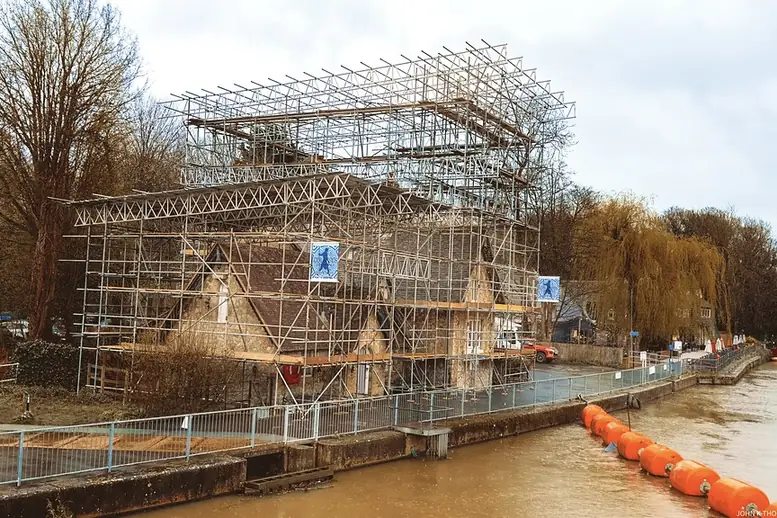
- Building envelope repairs or rainscreen remediation
- Roof replacement
- Window and balcony door replacement
- Elevator modernization
- Re-piping (especially older poly-b or copper systems)
- Parkade membrane and drainage repairs
- Insurance deductibles after a major claim
- Fire safety and electrical upgrades
Each owner’s share is usually based on unit entitlement, which is roughly tied to the size of the unit. Bigger units pay more.

How a Special Levy Is Approved and Paid
- The vote: A special levy needs a 3/4 vote at a general meeting (an AGM or a special general meeting) if it’s split by unit entitlement. If it’s split another way, it needs a unanimous vote.
- The resolution must say: what the money is for, the total amount, how each owner’s share is calculated, how much each lot pays, and when it’s due.
- Payment schedule: It can be due in one lump sum or in instalments, depending on the resolution.
- Late payments: The strata can charge interest on late payments if the resolution or bylaws allow it, and can register a lien against the unit for unpaid levies.
If a strata can’t get a 3/4 vote for urgent repairs, it can apply to court with a majority vote to have the levy approved anyway. That’s rare, but it happens with safety issues.
Levy Approved Before vs After the Contract: Who Is Responsible
Here’s how it usually plays out in real deals:
| Situation | Default under the Act | What’s usually negotiated |
|---|---|---|
| Levy approved and fully due before completion | Seller pays | Seller pays |
| Levy approved before the contract, instalments due after completion | Split by due date | Seller pays it all, or price is reduced |
| Levy approved after the contract but before completion | Split by due date | Buyer pays, or the parties negotiate |
| Levy proposed (meeting called) but not yet voted | Not yet a levy | Negotiated: holdback, credit or price adjustment |
| Levy approved after completion | Buyer pays | Buyer pays |
The tricky one is the proposed levy, where a meeting is coming up after you sign. That’s where a clear contract clause protects both sides.
How to Handle a Levy in the Contract: Credits and Holdbacks
Your agent and lawyer can use a few tools:
- Seller pays in full. The seller pays off the entire levy at or before completion, including future instalments. Clean and simple for the buyer.
- Price reduction. The buyer takes over the levy, and the price is reduced by the amount.
- Credit on completion. The seller credits the buyer for the levy on the statement of adjustments.
- For a proposed levy that hasn’t been voted yet, part of the seller’s proceeds is held in trust by the lawyer until after the vote, then released to whoever is entitled to it.
Sellers should know that buyers often treat a known levy as a price cut. Being upfront and offering to pay it can keep a deal together that would otherwise collapse.

How to Spot Upcoming Levies: Form B, Minutes and Depreciation Report
Most special levies don’t come out of nowhere. They show up in the paperwork months or years ahead. Check:
- Form B (Information Certificate): shows any approved levies, what’s owed and whether a meeting has been called to vote on a new one. Our guide on how to read a Form B line by line shows where to look.
- Council and AGM minutes (two years): look for words like “envelope,” “engineer’s report,” “quote,” “deferred” and “special levy.”
- Depreciation report: compare the big upcoming repairs with the money in the contingency reserve fund. A big gap means a levy is likely. Here are the depreciation report red flags to watch for.
- The budget: a very low contingency fund contribution is a warning sign.
- Insurance: a high water damage deductible can turn into a levy after one bad leak.
For the full checklist, see how to review strata documents before buying in BC.
Typical Special Levy Costs in North Vancouver Buildings
Every building is different, but here are rough ranges per unit for common projects in North Shore condos and townhouses:
| Project | Rough cost per unit |
|---|---|
| Elevator modernization | $3,000 to $15,000 |
| Roof replacement | $5,000 to $20,000 |
| Window and door replacement | $10,000 to $35,000 |
| Re-piping | $10,000 to $30,000 |
| Full building envelope remediation | $40,000 to $150,000 or more |
Envelope work is the big one. Many wood-frame buildings from the late 1980s to the early 2000s on the North Shore have been rainscreened, and some still need it. Our guide to leaky condos and building envelopes on the North Shore covers what to look for.
Can’t Afford a Special Levy? Pay, Finance or Sell
If you’re an owner facing a levy you can’t comfortably pay, you have options:
- Pay in instalments. Ask council early whether instalments are possible. Many resolutions already allow them.
- Finance it. A home equity line of credit or a refinance is often cheaper than letting it go into arrears.
- Strata loan. Some stratas borrow to fund big projects and repay the loan through higher strata fees instead of a lump-sum levy.
- Under the default rule, if you sell before later instalments are due, the buyer pays those parts, though buyers will usually factor that into their offer.
What you shouldn’t do is ignore it. Unpaid levies can lead to interest, legal costs and a lien on your title.
Frequently Asked Questions About Strata Special Levies
Can a buyer back out because of a special levy?
If the buyer still has a strata documents subject in place, usually yes. Once subjects are removed, they generally can’t, unless the contract says otherwise or they use the three-day rescission period.
Does the seller have to disclose a proposed special levy?
Approved levies and notices of meetings to vote on one appear on the Form B. Sellers should also disclose any levy they know is coming. Hiding it can lead to legal trouble.
Can the strata charge interest on a late special levy payment?
Yes, if the levy resolution or the bylaws allow it, up to the maximum set in the regulations. Interest becomes part of the levy owed.
Who gets the refund if a levy is not fully used?
If any owner is owed more than $100, the strata must refund the extra, and it goes to whoever owns the unit when the refund is paid, not necessarily the person who paid the levy.
Is a special levy tax-deductible for a rental unit?
Sometimes. Levies for repairs may be deductible, while levies for improvements are usually added to the cost of the property. Ask your accountant.
Buying or Selling a Strata With a Levy? Get Help Structuring the Deal
A special levy doesn’t have to kill a deal. It just has to be found early, priced in fairly and written clearly into the contract.
Navid Hakimi reviews Form Bs, minutes and depreciation reports with buyers before subjects come off, and helps sellers present a known levy so it doesn’t scare away good offers. Talk to Navid about the strata you’re buying or selling, or get a free home evaluation that factors in any levy on your unit.
Current as of October 2026. This is general information, not legal advice. Always have a lawyer review contract clauses dealing with special levies.