
How a Multiple-Offer Situation Actually Unfolds
A BC multiple-offer situation is a blind auction. You submit one sealed offer, you don’t see anyone else’s price, and the seller picks. There’s no bidding round, no chance to counter the other buyer, and no obligation on the seller to tell you where you landed.
The sequence:
- Property lists, often deliberately priced below market to create competition
- Showings run for a set window, usually 4 to 7 days
- The listing agent announces an offer presentation date
- All offers come in by the deadline
- The seller reviews everything at once and either accepts one, counters one, or rejects all
The risk everyone underestimates: to win, buyers strip out their subjects financing, inspection, strata documents. Going subject-free means that if your financing falls through or the roof turns out to be shot, you’re still legally obligated to complete. Walking away can cost you your deposit and, in the worst cases, considerably more.
The one-line version: subject-free is not a negotiating tactic. It’s a transfer of risk from the seller to you, and it should only be done when you’ve eliminated the risk first never when you’re just hoping.
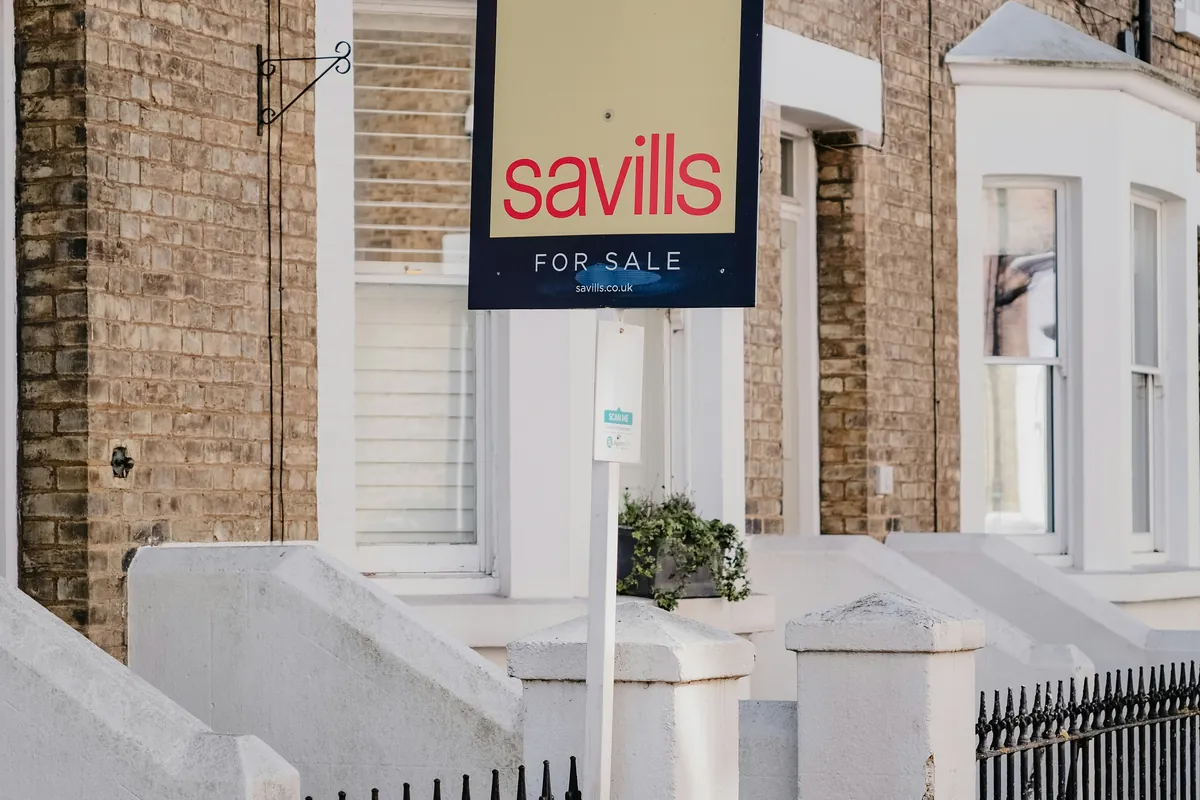
The Timeline: From Listing Day to the Offer Deadline
Understanding the calendar is how you stop feeling rushed.
| Day | What happens | What you should be doing |
| Day 0 | Listing goes live, often priced under market | Review the listing, request strata documents or the property disclosure statement immediately |
| Days 1–2 | Public open houses | View it. Bring anyone whose opinion matters |
| Days 2–5 | Private showings | Second viewing. Book a pre-offer inspection if the seller allows it |
| Days 3–5 | Buyers’ agents register interest | Your agent calls the listing agent to gauge activity |
| Offer date | All offers presented, usually late afternoon or evening | Offer submitted with everything already verified |
| Same evening | Seller decides | Be reachable. Decisions move fast |
The critical insight: the work that wins these situations happens on days 1 through 5, not on offer day. By the time offers are due, you should already have your financing verified, your strata documents read and your inspection done. Buyers who start their due diligence on offer day are the ones who end up gambling.
One BC-specific detail: in the Greater Vancouver, Fraser Valley and Chilliwack board areas, listing agents must complete a Disclosure of Multiple Offers Presented (DMOP) form before presenting any offer when multiple offers exist. It lists every competing offer, the date received and the submitting brokerage. It does not disclose prices. So the seller sees how many offers exist and who they came from, and you still see nothing.

What the Seller Sees and How They Choose
Sellers do not automatically take the highest number. They take the offer most likely to close, at the best price.
What lands in front of them:
- Every offer, side by side, plus the DMOP form
- Their agent’s read on each buyer’s likelihood of completing
- Deposit sizes, subject conditions, dates and any personal letters
Their options are to accept one, counter one (which legally rejects the rest), or reject everything and relist. There is no obligation to counter, no obligation to give anyone a second chance, and no obligation to tell you the winning number afterwards.
Where a lower price can win:
| Situation | Why the lower offer wins |
| Higher offer is subject to financing, lower offer is subject-free | Certainty beats $25,000 |
| Higher offer has a $25K deposit, lower has $150K | The bigger deposit signals real commitment |
| Higher offer needs a 90-day completion, seller needs 30 | Timing can be worth more than money |
| Higher offer is subject to sale of the buyer’s home | Sellers hate this condition and often reject it outright |
That last one matters enormously in a competitive situation and is covered in our guide to buying first or selling first.
The Levers That Matter Beyond Price
You have more tools than most buyers use. In rough order of how much sellers weight them:
- Subject conditions. The biggest lever, and the most dangerous. Fewer subjects means more certainty for the seller and more exposure for you.
- Deposit size. A larger deposit signals commitment and gives the seller real security. In BC, deposits typically run 5 percent of the purchase price, but 10 percent or more is a genuine differentiator. Make sure the funds are actually liquid and available within 24 hours.
- Completion and possession dates. Free to give, sometimes decisive. Ask the listing agent what dates the seller wants and match them exactly.
- Subject removal timeline. If you can’t go fully subject-free, a 3-day subject period reads very differently from a 10-day one.
- Clean documentation. A properly completed contract with financing pre-approval attached, deposit confirmed and no unusual clauses tells the seller’s agent you’re a low-risk buyer.
- Flexibility on inclusions. Don’t fight over the washing machine. Give the seller the appliances, the fixtures, the rental return date they asked for.
- A personal letter. Occasionally moves an emotionally attached seller. Never the deciding factor, and be aware of the fair housing considerations around personal details.
Cities where we actively help buyers and sellers
- realtor north vancouver
- realtor west vancouver
- real estate agent burnaby
- realtor in coquitlam
- realtor in port moody
Going Subject-Free: What You’re Actually Giving Up
Each subject you remove protects against a specific, real risk. Here’s what you take on:
| Subject removed | The risk you absorb |
| Financing | Your lender declines, the appraisal comes in low, or rates move. You must still complete. Appraisal shortfall is the most common failure you cover the gap in cash |
| Inspection | Structural, roof, electrical, plumbing or drainage problems become entirely yours. Six-figure surprises exist, particularly on older North Shore homes with slope and creek issues |
| Strata documents | You inherit special levies, underfunded contingency funds, envelope remediation and litigation with no recourse |
| Title search | Easements, rights of way, liens, encroachments and building scheme restrictions |
| Property disclosure statement | Known defects you never got to review |
The financing subject is the most misunderstood. A pre-approval is not a commitment. It’s a lender’s opinion based on your income and credit, before they’ve looked at the property. Lenders approve the property too, and if their appraisal values a home at $1.85 million when you offered $2 million, your mortgage is calculated on the lower number and you’re covering a $150,000 gap in cash. Our guide to what your mortgage pre-approval amount really means explains where the gaps are.
North Shore specifics that make subject-free inspections riskier here than elsewhere:
- Sloped lots with retaining wall and geotechnical issues
- Creeks, streamside protection areas and drainage
- Older homes with aluminum wiring, poly-B plumbing or asbestos
- Unpermitted suites and additions
- Wildfire interface and development permit areas
Read our guide to slope, creek and flood risk on the North Shore before you consider waiving an inspection on a detached home here.

How to Reduce Subjects Safely: The Pre-Work That Buys You Speed
This is the section that actually matters. You can compete without gambling you just have to do the work up front.
| Instead of removing this subject blind | Do this first |
| Financing | Get a full lender approval on the specific property, not a rate hold. Ask your broker directly: “if I go subject-free on this address at this price, will you fund it?” Get it in writing |
| Appraisal risk | Have your agent run comparables and ask your broker whether the price is likely to appraise. Have cash reserves ready for a shortfall |
| Inspection | Book a pre-offer inspection. Sellers in competitive situations often allow this, and $500–$800 buys you the ability to go subject-free with actual knowledge |
| Strata documents | Request and read the package before offer day. Form B, depreciation report, financials and two years of minutes |
| Title | Have your lawyer or notary pull and review title before you write |
| Property disclosure | Read the PDS during the showing period, not after |
The rule: never waive a subject you haven’t already satisfied privately. Waiving a financing subject after your broker has confirmed funding in writing is a calculated decision. Waiving it because you want the house is a gamble with your deposit and possibly your savings.
Also useful: a seller-provided pre-listing inspection report. It’s better than nothing but it was commissioned by the seller, and you should read it critically rather than treat it as your own.
What Happens If You Walk Away: Deposits, Damages and Lawsuits
This is where subject-free goes from stressful to expensive.
Once subjects are removed or if there were none you have a binding contract. Backing out is a breach, and the consequences escalate:
- You lose the deposit. On a $2 million North Vancouver home with a 5 percent deposit, that’s $100,000. Note that the deposit is not automatically the seller’s just because you walked; it’s typically held in trust and released by agreement or court order. But you should assume it’s gone.
- The seller can sue for damages beyond the deposit. This is the part buyers don’t know. If the seller relists and sells for less, they can pursue you for the difference plus carrying costs, additional commission and legal fees. In a falling market that gap can be enormous. BC courts have awarded damages well beyond deposits in exactly these circumstances.
- The seller can seek specific performance. In some cases a court can order you to complete the purchase, not just pay damages.
- Your own exposure compounds. If you’d already sold your existing home to fund this purchase, a collapsed deal can leave you with no home and a lawsuit.
Worked example $2M purchase, buyer walks after subject removal:
| Item | Amount |
| Deposit forfeited | $100,000 |
| Seller relists, sells 4 months later for $1.87M | $130,000 shortfall |
| Seller’s carrying costs, extra commission, legal | $30,000 |
| Potential total exposure | $160,000+ beyond the deposit |
That’s the real risk of subject-free. Not “I lose my deposit.” It’s “I lose my deposit and get sued for the difference.”
Escalation Clauses and Backup Offers in BC
Escalation clauses “I’ll pay $5,000 more than the highest offer, up to $2.1 million” are used far less in BC than in some US markets, and for good reason. They create real problems:
- They reveal your maximum price to the seller immediately
- Verification is messy how do you confirm the competing offer was real?
- Many listing agents and brokerages won’t accept them
- They can create ambiguity that makes the contract harder to enforce
Most experienced BC agents advise against them. Decide your genuine maximum and offer it cleanly.
Backup offers are more useful and underused. A backup offer sits in second position and automatically moves up if the first deal collapses which happens more often than people think, particularly when the accepted offer had a financing subject.
| Backup offer | Detail |
| When to use it | You lost, but you’d still buy at your price. Especially when the winner had subjects |
| How it works | Written as a formal offer, conditional on the collapse of the first contract |
| Cost to you | Usually just a specified time period during which you’re committed |
| Realistic odds | Modest, but free. And accepted offers do fail |
Ask your agent about a backup offer every time you lose one you cared about. It costs nothing and it occasionally works.
When to Stop Bidding and Walk
Set your maximum before offer day, in writing, when you’re calm. Then hold it.
Walk when:
- The price exceeds what your lender will finance without a cash top-up you can’t afford
- You’d have to waive an inspection on an older detached home you haven’t inspected
- Winning means no emergency fund left
- You’re bidding because you’ve lost three in a row, not because this is the right house
- The strata documents show problems you’d be waiving your right to act on
- Your agent tells you it’s overpriced and you’re arguing with them about it
Stay in when:
- You’ve done the pre-work and your subjects are already satisfied privately
- The price is within your pre-set maximum
- You’d be comfortable owning this home for ten years even if the market softens
- You have reserves for an appraisal shortfall
The most useful thing to remember: there is another house. There is always another house. The buyers who get hurt are the ones who stopped believing that after their fourth loss.
Services our team offers
- first-time home buyer services
- luxury homes for sale in North Vancouver
- presale real estate in North Vancouver
- commercial and industrial real estate
Frequently Asked Questions
How do multiple offers work in BC?
It’s a blind auction. All offers are submitted by a deadline, the seller reviews them together, and no buyer sees any other buyer’s price. The seller can accept, counter one offer, or reject everything.
Will I be told how much the winning offer was?
No. Sellers are not required to disclose it and usually don’t. In the Greater Vancouver, Fraser Valley and Chilliwack board areas, a DMOP form discloses to the seller how many offers exist and from which brokerages, but never prices.
Should I go subject-free?
Only if you’ve eliminated the underlying risks privately first written lender confirmation on the specific property, a pre-offer inspection, and strata documents read. Going subject-free on hope is how people lose six figures.
What happens if I go subject-free and can’t complete?
You’ve breached a binding contract. You’ll likely lose your deposit, and the seller can pursue you for further damages including any shortfall on resale, carrying costs and legal fees. In some cases a court can order you to complete.
How much deposit should I offer?
Five percent is standard in BC. Ten percent or more is a genuine competitive advantage in a multiple-offer situation, provided the funds are truly available within 24 hours.
Are escalation clauses allowed in BC?
They’re not prohibited but they’re uncommon, and many listing agents and brokerages won’t accept them. They also reveal your maximum immediately. Most BC agents recommend against them.
What is a backup offer and is it worth making?
A formal offer in second position that moves up automatically if the first deal collapses. It costs nothing but a time commitment, and accepted offers with financing subjects fail more often than people expect. Worth doing.
Can I still get an inspection if I go subject-free?
Yes before you write. A pre-offer inspection costs $500 to $800 and lets you waive the inspection subject with actual knowledge instead of hope. Sellers in competitive situations frequently permit them.
Does the highest offer always win?
No. Certainty often beats price. A subject-free offer with a large deposit and matching dates regularly beats a higher offer that’s subject to financing or subject to sale.
Is blind bidding legal in Canada?
Yes, it’s the standard practice in BC. There’s been national debate about moving toward open bidding, but the current system in BC keeps competing offer prices confidential.
What if I lose several offers in a row?
Reassess your search rather than your maximum. Losing repeatedly usually means you’re shopping in the wrong price band or the wrong pocket of the market not that you should start waiving subjects you can’t afford to waive.
North Vancouver Neighbourhoods We Serve
- Homes for Sale in Edgemont Village
- Canyon Heights Real Estate Agent
- Forest Hills Realtor
- Realtor in Central Lonsdale
- Real Estate Agent in Pemberton Heights
- Real Estate Agent in Upper Lonsdale
- Realtor in Braemar
- Homes for Sale in Tempe
- Queensbury Real Estate Agent
Facing a Multiple-Offer Property in North Vancouver? Let’s Build the Strategy
The buyers who win competitive situations without gambling are the ones whose agent did five days of quiet work before offer day reading strata documents, arranging a pre-offer inspection, confirming financing on the specific address, and finding out from the listing agent exactly which dates and terms the seller actually wants.
Navid Hakimi has negotiated through more than ninety transactions in a single year and knows how North Shore listing agents run these situations. He’ll pull the documents early, arrange the pre-offer inspection where sellers allow it, get your lender’s written position on the specific property, structure the offer around the terms that actually move this particular seller, and tell you honestly when the price has passed the point where you should walk.
Send Navid the listing you’re competing on. There’s usually more time than it feels like but not much.
📞 604-347-6084 or request a consultation.
This article is general information, not legal advice. Get advice from your lawyer before removing subjects or writing a subject-free offer.