The house is bigger than you need. The stairs are getting old. The yard is a weekend job you did not sign up for anymore. And somewhere in the back of your mind is a number: if you sold, how much would you actually walk away with? That is the real question behind downsizing, and most articles dance around it. So let us do the math properly, look at what you would be trading, and talk about the part almost nobody plans for, which is the order you do things in.
How Much You Actually Free Up
Here is the honest headline. On the North Shore in 2026, a typical move from a detached house to a comfortable condo frees up somewhere between $900,000 and $1.3 million in cash, after every cost, assuming the house is mortgage free. The rough shape of it, using current North Vancouver numbers:
| Step | Typical figure |
| Sell the detached house | around $2.4 million |
| Minus selling costs (commission, legal, prep, moving) | around $75,000 |
| Net proceeds | around $2.32 million |
| Buy a quality two bedroom condo | around $1.2 million |
| Plus buying costs (property transfer tax, legal, inspection) | around $25,000 |
| Cash freed up | roughly $1.1 million |
Three important caveats before you get attached to that number. A mortgage changes everything. Whatever is owing comes off the top, along with any prepayment penalty. West Vancouver math is bigger in both directions. Selling a British Properties or Dundarave home releases more, but the Ambleside and Park Royal area condos that downsizers actually want are also expensive, often $1.3 to $2 million for something genuinely nice. If you are staying west of the bridge, a British Properties realtor for the sale and an Ambleside realtor for the purchase are two halves of the same move. Your ongoing costs do not drop as much as you expect.
Strata fees, property tax and insurance on a good condo can run $900 to $1,400 a month before you have paid for anything else. You are freeing up capital, not eliminating monthly cost. The full breakdown of the monthly cost of ownership is worth reading before you assume the change saves money every month. Cities where you can work directly with us to receive trusted real estate buying and selling services
- top realtor north vancouver
- top realtor in west vancouver
- top burnaby realtor
- top realtor in coquitlam
- top port moody realtor
The Real Math: Sale Proceeds Minus Every Cost
The mistake is subtracting commission and calling it a day. Here is the full list, in the order it hits you. For the sale side on its own, we break down what it costs to sell in BC line by line. Costs on the sale side:
| Cost | Typical range | Notes |
| Realtor commission | roughly 7 percent on the first $100,000 plus 2.5 percent on the balance, plus 5 percent GST | On a $2.4 million sale that is about $67,700 total. Always negotiable, and here is how realtor commission works |
| Conveyancing (lawyer or notary) | $1,200 to $2,500 | Higher with multiple titles or complications |
| Mortgage discharge and penalty | $0 to $15,000 or more | Fixed rate mortgages broken early can be brutal. Ask your lender for the exact figure before you list |
| Preparation and staging | $3,000 to $20,000 | Paint, minor repairs, decluttering, staging |
| Moving and disposal | $2,000 to $8,000 | Forty years of accumulation costs real money to move or remove |
| Interim storage, if any | $200 to $500 a month | Only if your dates do not line up |
Costs on the purchase side:
| Cost | Typical range | Notes |
| Property Transfer Tax | 1 percent on the first $200,000, 2 percent to $2 million, 3 percent above that | On a $1.2 million condo that is $22,000, before checking the property transfer tax exemptions |
| Additional 2 percent PTT | on the portion above $3 million | Relevant mainly for West Vancouver purchases |
| GST | 5 percent, new construction only | On a new $1.2 million condo that is $60,000. Resale is exempt. Full detail on GST on new homes |
| Legal and conveyancing | $1,200 to $2,500 | |
| Inspection and strata document review | $500 to $1,000 | Do not skip this |
| Adjustments at closing | varies | Property tax, strata fees prepaid by the seller |
Add the two columns and the total friction on a house to condo move usually lands between four and six percent of the combined transaction value. Knowing that in advance is what keeps the plan from wobbling later.
Tax: The Principal Residence Exemption and When You Might Still Owe
Good news first. If the house has been your principal residence for the whole time you owned it, the gain is generally fully exempt from capital gains tax. That is the single biggest reason downsizing works so well as a retirement strategy in Canada: forty years of appreciation on the North Shore, tax free. If your situation is less clean, our guide to capital gains when selling covers the cases where part of the gain is taxable. Now the details that trip people up. You still have to report it. Since 2016, the sale of a principal residence must be reported on your tax return, using Form T2091, even when no tax is owed. Failing to report can bring penalties. One property per family unit per year.
If you also own a cabin in Whistler or a place on the Sunshine Coast, you can only designate one property per year as your principal residence. Overlapping ownership years become a planning question, and which property you designate can change the tax bill by a lot. A rental suite can cost you part of the exemption. If you rented out the basement suite and claimed the income, the portion of the property used to earn income may not be fully covered. In practice CRA has historically been flexible where the rental portion is ancillary and no capital cost allowance was claimed, but this is exactly the situation where you want an accountant rather than an article.
Land over half a hectare. The exemption normally covers the home plus half a hectare. Larger North Shore properties on the Upper Levels or in the British Properties can have a taxable portion on the excess land. Change of use. If you moved out and rented the house before selling, there is a deemed disposition at the point the use changed. A section 45(2) election can preserve the exemption for up to four extra years, but it has to be filed. None of this should scare you off. For the large majority of North Shore downsizers selling the family home they have lived in continuously, the answer is simply: no tax, but file the form. Just have an accountant confirm before you sign anything if any of the situations above apply to you.
House vs Townhome vs Condo vs Rancher: Trade Offs at This Stage
There is no best answer here, only the right trade for what you actually want the next fifteen years to look like. The same comparison from the buying side is in condo vs townhouse vs detached.
| Detached rancher | Townhome | Condo | |
| Typical North Van price | $1.8 million and up, scarce | $1.25 to $1.5 million | $700,000 to $1.4 million |
| Stairs | None, the whole point | Usually two or three levels | None inside |
| Outdoor space | Yard, garden, privacy | Patio, small yard | Balcony or patio |
| Maintenance | All yours | Shared exterior, some yours | Almost none |
| Monthly fees | None, but you pay for everything directly | $350 to $600 | $450 to $900 |
| Lock and leave | Poor | Fair | Excellent |
| Noise and neighbours | Best | Good | Depends heavily on the building |
| Resale liquidity | Slower, smaller buyer pool | Strong, very little supply | Deep buyer pool, more competition |
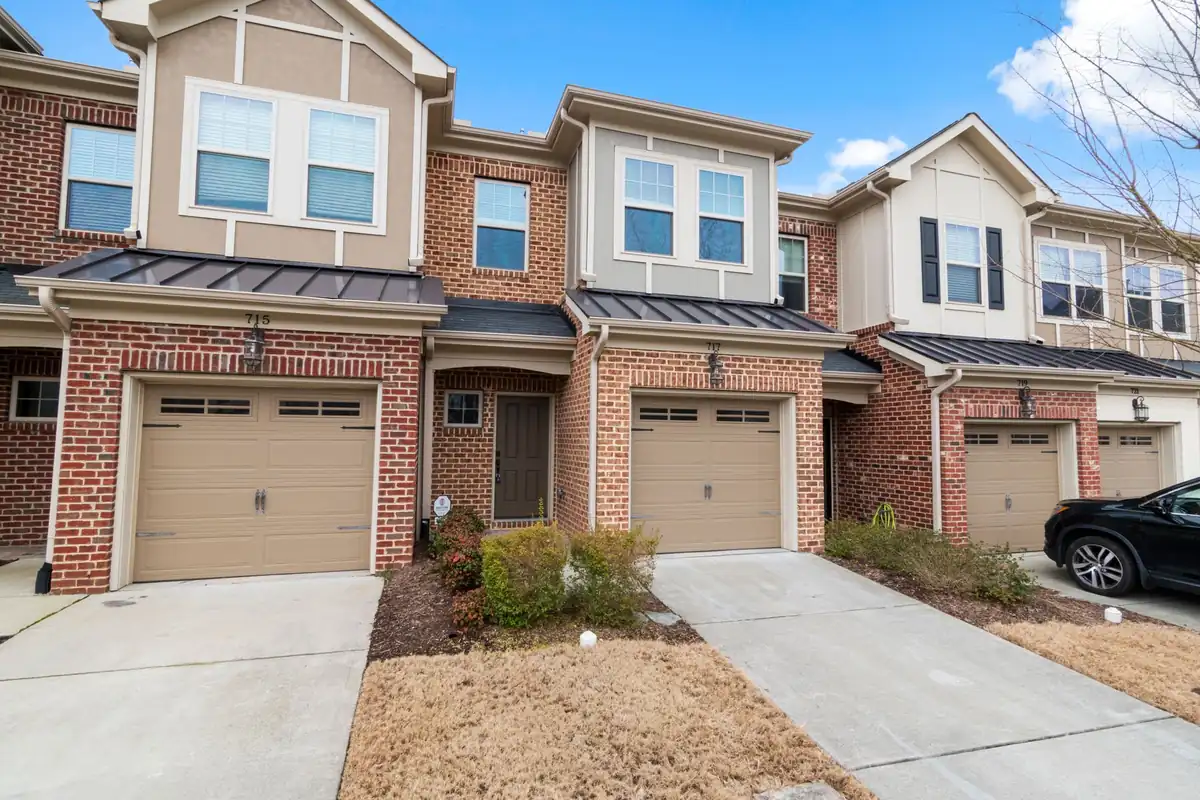
A few honest observations from how this plays out in practice. Ranchers and single level detached homes are the unicorn. Almost every downsizer wants one, and North Vancouver has very few. When one comes up in Lynn Valley, Norgate or Pemberton Heights it is usually gone quickly and often needs work. If this is your dream, you need to be ready to move fast and flexible about condition. Townhomes are the compromise most people are happiest with, right up until the stairs become an issue. If you are in your sixties, a three level townhome feels perfect.
If you are planning for your eighties, ask yourself honestly whether it still will. Condos are the cleanest lifestyle change and the biggest adjustment. No yard work, no roof to worry about, and you can lock the door and go to Palm Springs for three months. The trade is that you now live with rules, neighbours and a strata council.
Where North Shore Downsizers Actually Land
Patterns show up over and over. Lower Lonsdale and the Shipyards. The most popular landing spot for people leaving a house. Walkable, the SeaBus to downtown, waterfront, restaurants, the market. Newer buildings with real amenity. Condos here commonly run $700,000 to $1.4 million depending on size and building age. It is also the most walkable pocket on the North Shore, and our roundup of the best Lower Lonsdale condos is a practical shortlist to start from. Central Lonsdale. Slightly more space for the money, close to Lions Gate Hospital, groceries and transit. Popular with people who want walkability without the waterfront premium, and a Central Lonsdale realtor will know which buildings on the hill stay quiet and which back onto the bus routes. Edgemont Village.
For people who have lived in Canyon Heights or Delbrook for decades and cannot imagine leaving the neighbourhood. Limited condo supply, so it takes patience, but the village feel is exactly what many downsizers are trying to keep. Ask a Canyon Heights realtor what is actually coming up, and keep Edgemont Village townhomes on the list as an alternative to a condo. Lynn Valley. Town centre redevelopment created genuinely good newer condos and townhomes near the library, shops and the trails. Good value relative to Lonsdale. If you are torn between the two, we compare Lynn Valley vs Lonsdale in detail.
Seylynn and Lions Gate Village. Newer towers, modern layouts, quick access to the bridge and Park Royal. Popular with people who want new construction rather than a 1990s building. Ambleside and Dundarave, West Vancouver. For West Van sellers who want to stay in West Van. Walkable to the seawall and the village, though good units are limited and pricey. A Dundarave realtor is usually the fastest route to the units that never sit on a public search. Park Royal area and the Evelyn area. Newer West Vancouver product, easy shopping access, strong appeal for lock and leave living.
What to Look For in a Building at This Stage of Life
This is where a downsizing purchase differs from any other condo purchase. You are not buying for five years and a resale. You are buying somewhere to live comfortably for a long time. The general condo buyer checklist still applies underneath everything below. The building itself:
- Contingency reserve fund and depreciation report. A healthy fund and a recent report mean the special levy risk is understood. This is the single most important document set to read, and how to read strata documents walks through what each one tells you.
- Two years of council minutes. Read them all. Building envelope discussions, elevator problems, water ingress and litigation all show up here first.
- Building envelope history. Anything built on the North Shore between roughly 1985 and 2000 deserves careful questions about remediation, and our guide to leaky condo risk explains exactly what to ask for.
- Elevator count and reliability. In a tower, one elevator for many units becomes a daily irritation and a real problem if mobility changes.
- Age and rental or pet bylaws. Bylaws affect resale and flexibility, so read them rather than relying on what the listing says.
The unit itself:
- Single level, no interior steps, including no step down into a sunken living room
- Doorway widths and a bathroom that could take grab bars later without renovation
- Step free access from the parking to the unit, all the way through, including the lobby
- In suite laundry and real storage, because downsizing still leaves you with more than you think
- Light and outlook. A north facing unit on a low floor in a rainy climate is a different life than a south or west facing one
- Parking close to the elevator, and think about whether a second stall matters for a visiting family member or a future caregiver
A tip worth its weight: visit at three times of day, on a weekday and a weekend. Traffic noise from the Upper Levels, sun exposure and how the lobby feels in the evening are all things a Sunday afternoon showing hides.

Sequencing the Move: Sell First or Buy First?
The financial part of downsizing is not that hard. This part is where people get stuck. We take the same question apart for homeowners generally in buy first or sell first.
| Approach | Advantages | Risks | Good fit for |
| Sell first | You know your exact budget, you negotiate from strength, no double carrying costs | You may need interim housing or storage if you cannot find the right place | Most downsizers, especially in a balanced market with decent inventory |
| Buy first | No rush, no interim move, you can renovate before moving in | Carrying two properties, possible bridge financing costs, pressure to sell fast | People with strong cash reserves or a clear, easy to sell home |
| Sell and buy simultaneously | One move, clean | Requires both deals to line up on dates and both to complete | Buyers with a flexible seller and an experienced agent coordinating |
In the current North Shore market, with reasonable inventory and homes taking roughly a month to sell, selling first is usually the lower risk path. You convert an uncertain number into a real one, and then you shop with certainty. The discomfort of a possible short term rental is smaller than the discomfort of carrying two properties while the market decides what your house is worth. The practical middle path many downsizers use: list the house, and negotiate a longer completion date, sixty to ninety days, so you have a real window to find the next place with your sale already firm. The primary services our team offers to support your real estate goals
- luxury mansions for sale
- commercial real estate agent in North Vancouver
- presale condos in North Vancouver
- First Time Home Buyer In North Vancouver
A Realistic Six Month Downsizing Plan
Month 1: decide and get the numbers. Market evaluation on the house, which you can start with a free home evaluation. Exact mortgage payout and penalty from the lender. A conversation with your accountant if there was ever a rental suite or a second property. Start a rough budget for the new place including strata fees and property tax.
Month 2: declutter, seriously. This is the part everyone underestimates and the part that determines whether the rest is calm or chaotic. Room by room, one decision per item. Family takes what they want by a set date. Everything else goes to sale, donation or disposal. Book the estate sale or the junk removal in advance.
Month 3: prep and list. Repairs, paint, deep clean, staging, photography, in roughly the order set out in our guide to preparing a home for sale. Order strata documents if applicable. Complete the Property Disclosure Statement carefully with your agent. List.
Month 4: on market and shopping. Showings and offers on the house. At the same time, start viewing condos and townhomes seriously so you know the inventory and what your money buys. A live MLS search is the simplest way to track what comes up while your house is on market. Negotiate a completion date that gives you room.
Month 5: buy. With your sale firm, make an offer with confidence. Inspection, strata documents, financing if any. Book the movers early, because good ones book out.
Month 6: move and settle. Completion, possession, move. Change of address, insurance, utilities, and the small administrative pile that comes with a move. If your dates do not line up perfectly, a four to eight week rental or a storage unit is a normal, solvable inconvenience. Do not let a calendar gap push you into buying the wrong home.
Frequently Asked Questions
Will I pay capital gains tax when I sell the family home?
Generally no, if it has been your principal residence the entire time you owned it. You do still have to report the sale on your tax return. Rental suites, a second property, or land over half a hectare can create a taxable portion, so check with an accountant if any of those apply.
How much are strata fees on a good North Vancouver condo?
Commonly $450 to $900 a month for a two bedroom, depending on the building’s age, size and amenities. Pools, concierges and older buildings push it up. Ask what the fee includes and, more importantly, look at the contingency reserve fund balance. If you have never paid them before, start with what strata fees cover.
Is a newer building always safer than an older one?
Not always, but it usually carries less immediate risk. Newer buildings still under home warranty have some protection, while a well maintained 1970s concrete building with a strong reserve fund can be an excellent buy. The documents tell you more than the year built does. We compare the two directly in new vs old condos.
Should I buy a presale condo when downsizing?
Only with open eyes. Presales mean waiting two to four years, GST on top, deposit structure, and completion date risk. If your timeline is flexible and you want brand new, they work. If you need certainty about when you are moving, resale is safer. The full comparison is in presale vs resale.
What happens if a special levy is announced after I buy?
It generally falls to the current owner at the time it is levied, which is why reading the minutes and depreciation report before you buy matters so much. A pending levy discovered before closing is a negotiation point.
Can I use the money I free up to help my kids buy?
Many North Shore downsizers do. Gifted down payments are common and lenders accept them with a gift letter. Talk to an accountant and, honestly, a lawyer about how to structure it, especially if the money is going into a home your child owns with a partner.
Do I need to sell before I can qualify for a mortgage on the new place?
If you need a mortgage at all and you plan to buy first, lenders will look at whether you can carry both. Bridge financing exists specifically for this and is generally arranged once your sale is firm.
Is it better to buy a condo or rent after selling?
Renting gives flexibility and avoids purchase costs, which suits someone unsure about location or planning to travel extensively. Buying gives stability, no rent increases and no risk of being asked to leave. Most people who intend to stay on the North Shore long term buy, and the numbers behind that are in buying vs renting.
How long does the whole downsizing process take?
Plan on five to seven months from the decision to being settled in the new place. The decluttering phase is the one that expands if you let it.
What should I look at first, the strata documents or the inspection?
Both, and neither alone. On a strata property the documents often reveal the expensive problems, while the inspection reveals the ones inside your walls. Budget time in your subject removal period for both, and know in advance what a home inspection covers.
Thinking About Downsizing on the North Shore? Let’s Map It Out
Downsizing is one of the few real estate decisions where the money and the life plan are equally important, and where getting the sequence wrong is more expensive than getting the price slightly wrong. Navid Hakimi works with North Shore homeowners on exactly this transition, as a North Shore realtor. As a top one percent Greater Vancouver realtor with more than one hundred verified five star reviews, working across North Vancouver, West Vancouver, Burnaby and the Tri Cities, Navid handles both sides of a downsizing move as one connected plan rather than two separate transactions. A downsizing consultation gives you:
- A real net proceeds number for your house, with every cost accounted for rather than a headline price
- A shortlist of buildings and neighbourhoods that actually match how you want to live, filtered by the strata document quality you should be insisting on
- A sequencing plan and timeline so the sale and purchase line up, with a realistic fallback if they do not
- Introductions where you need them, to an accountant for the tax question, a mortgage broker if bridge financing might come up, and movers who have done this before
It is free, and there is no obligation to list anything. Call 604 347 6084 or reach out through navidhakimi.com, and start with the number: what your home is worth today and what that actually frees up.